 Recently, my cousin received a kidney transplant. His kidneys had not functioned well for years, but he finally came to the point where he needed dialysis. He sent a letter out letting people know he needed a kidney, and many people volunteered to be a donor. Unfortunately, everyone was rejected for one reason or another. Finally, he transferred to another transplant center, and they began the process of reassessing his potential donors. After a while, a new doctor thought he had found the right match. It was my cousin’s wife who had been the first donor on the list, but had been rejected because of her allergies. Within a month, they were both in the hospital awaiting surgery. Both surgeries went well, and they were both out of the hospital within a week.
I had prayed for my cousin for years, first to be healed by God of his kidney disease and then to find a donor who would be a match. I was hoping for an instant miracle, one where God just touched him and his kidneys were healed. Instead, he received a different kind of miracle, the kind where God used frail human beings to enact his will and bring healing through the medical process.
So I had to ask myself, “Which is the greater miracle?” An instant healing performed with God’s dunamis power, or one where He brought a new doctor to a new transplant center who was willing to accept a donor that had been previously rejected? Both are miracles, but we stand amazed that when it seemed there was no answer, God brought one by human means.
I’ve come to the conclusion that however God works to provide an answer to prayer fits in the realm of the miraculous. Using a human to meet a need may not seem as spectacular as a miraculous healing, but the person used by God is as big a miracle as God showing up Himself to meet the need.
 When we think about love, we don’t usually associate the word with hate. But real love, true love, agape love, it hates…people, no, but the wrongs of this world, yes. Here are some things that love hates:
 The book of James tells us that our lives are like “a vapor that appears for a little time and then vanishes away.” When I read those words in my twenties and thirties, I understood them but they didn’t speak to me as strongly as they do thirty years later. Now, looking back on my life, it does seem like a vapor that has come and can be gone very quickly.
 Jesus was talking to a lawyer about the two most important commandments. When they got to the second one: “Love your neighbor as yourself,” the lawyer, wanting to justify himself said, “Who is my neighbor?” He was probably hoping that Jesus would say, “The guy who lives next to you, you know, the one who is so similar to you that you can easily identify with him.”
 I have a friend who is faced with a difficult life choice. She needs to make a decision, but has been fighting it. She is making it difficult for herself and for her family. I would love to see her make the decision and move on with her life. As I was praying for her the other evening, I said, “Lord, make it easy for her.”

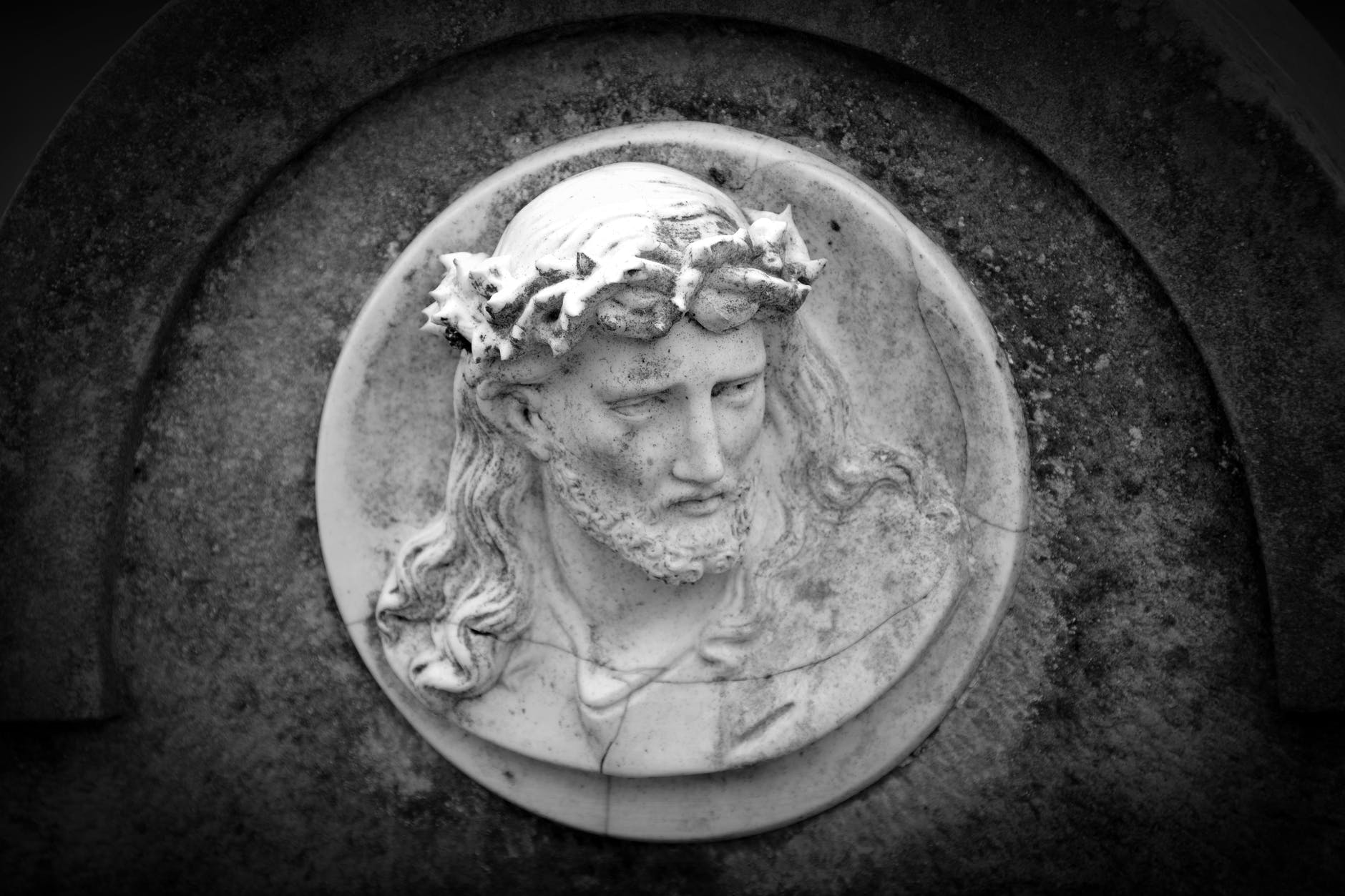 Recently, I was asked to pray a prayer of blessing before the meal at a public gathering. I was cautioned, “Don’t use the name of Jesus.” So okay, I will certainly respect the wishes of whoever asked me, but later I thought, “When did the name of Jesus become a dirty word?”
 When I met my husband, I thought I was “in love” with him, but was it really love? I looked forward to our weekend dates, felt very good around him, and thought about marrying him. I experienced emotional highs when he called, followed by lows when I didn’t hear from him. I really loved being with him, but was that the kind of “love” one should base a marriage on?
 Have you ever watched the news and had your heart touched by a humanitarian story? How do you feel when you see someone being pulled over by a policeman? I know we see problems every day that we are not directly a part of but feel a level of concern about them. Is there anything we can do that might possibly help the person in need?
 Valerie Cullers