Children of Regret

As a society, we are hearing more and more from young adults who are de-transitioning. We listen to their stories at hearings, on Youtube and TikTok. The National Institute of Health states that about 8 percent of people de-transition temporarily or permanently at some point. That seems like a cause for a lot of regret. For those of us listening to their stories, we wonder, “Why are kids allowed to have sex-reassignment surgery at such a young age when it is so permanent?”

My last post touched on the gender ideology that the kids are being exposed to at schools, but another big promoter of gender transition and sex-reassignment surgery is the medical industry. In August 0f 2022, the New York Post estimated that the market for this kind of surgery was about 1.9 billion the year before. Yes, that’s right…billion with a B. With that kind of profit margin, we find ourselves in an environment where those who should be speaking out to protect our children (doctors, psychiatrists, and hospitals) are not.

In an April 18, 2024 article on Fox News, Jamie Reed, a whistleblower who worked at Washington University Transgender Center of St. Louis Children’s Hospital, wrote an expose about her experiences while working there. Lest you think she is some kind of radical conservative, Ms. Reed is queer and married to a transgender person herself. She was previously in favor of sex-reassignment surgery for minors, but after working at the Center, she has since changed her mind. When asked why she changed her mind, she stated, “We started to see patients who were experiencing very significant medical harms being rushed to the emergency room with lacerations requiring stitches. We had patients contact us who were begging to have body parts put back on within months of having surgeries.” When she stated her concerns to her superiors, she was told, “This is how the industry works. If a child says they’re trans, there’s no questioning it.” No wonder she finds the industry “morally and medically appalling.”

I could go on and on with statistics about how the medical industry is profiting financially off our kids but what moves me the most are the young adults who are speaking out about what has happened to them. We are now listening to the first generation of young people who have gone through this experience and what it has done to them. This is a hot-button issue in our culture but as I see it, no child should be able to make permanent surgical decisions about their bodies that they may someday come to regret. If they still want to transition when they become adults, that is their right; but to not protect them from those who would profit from their youthful decisions is morally wrong.

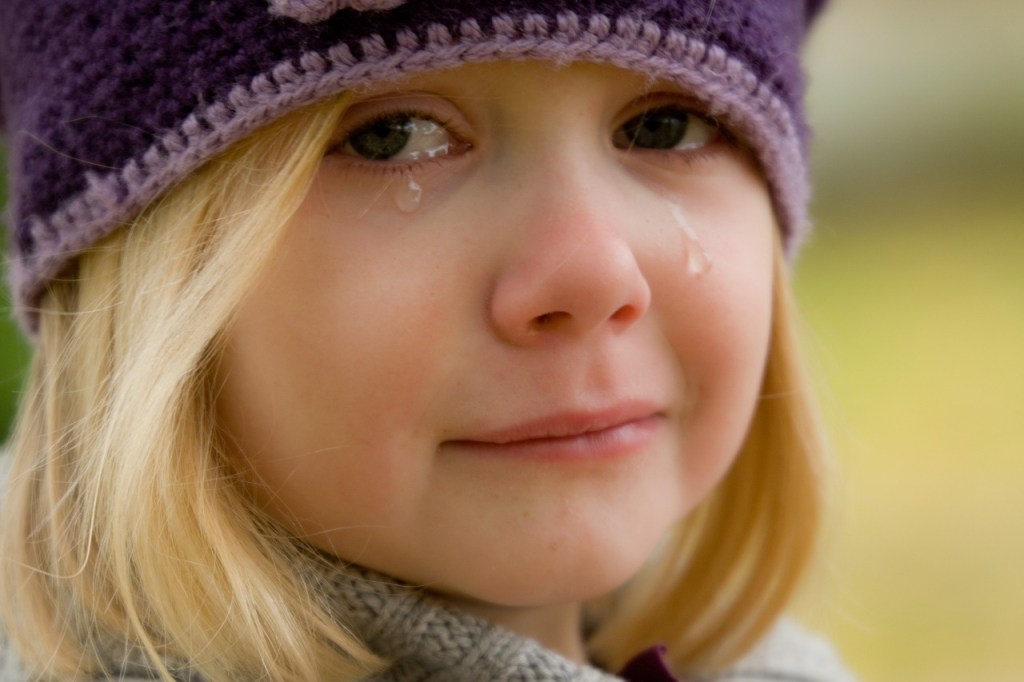
photo by tobbo, courtesy of Pixabay

What If?

As a young child with five brothers, sometimes I wished I were a boy. No, I didn’t want to be a male; I just wanted the freedom that the boys had. I was the one who had to come in early, take a bath, and get ready for bed. They were allowed much more leeway as to how long they could stay outside and play. What if I had gone to school and some teacher would have been talking about gender identification? What if she asked, “Would any of you like to be a boy?

I cringe to think what would have happened to me. For sure, I would have been singled out and sent to a psychologist. What if, as a young child, I was unable to share my feelings about freedom? No way did I want to actually be a boy…they were smelly, played in the dirt and had burping contests. I loved my new dresses and shiny shoes. Would I have been labeled non-binary? Would I have been made to go to counseling?

When I was in the fifth and sixth grades, my restrictions got tighter as my brothers’ loosened. They could go out for sports, and go to movies by themselves. In the summer, they got to work outside and I had to stay inside, clean, and pretend I wanted to learn to bake. I envied my brothers even more. If I had been talking to a counselor, I would have expressed my frustration. Would I have still been on a gender-related path…possibly dysphoria? I don’t know but I dread to think about it.

By the time I was in Junior High, things began to change. My brothers had to mow the lawn in the summer and shovel snow in the winter. If we had a flat tire, one or two of them had to go outside and help my dad. They inevitably came in dirty. At that point, I still envied their freedom, but no way would I ever say, “I wanted to be a boy.”

Perhaps my thoughts about the subject are out of proportion to what would have happened to me. Would I have been properly diagnosed early, even if I wasn’t able to express myself? I don’t know. Last week, I listened to a young woman talk about her experience. She was put on hormones after only three visits with a psychiatrist. She deeply regrets the changes that have happened to her body, and now we know that some of those changes are irreversible. She was talking about hormones, not surgery. I shudder to think about the young people who have decided they made a mistake after they had their wombs or testicles removed.

I recently read some statistics in an article written by Lindsey Tanner for The Associated Press. In her article, “younger, new guidelines say,” she states, “The World Association for Transgender Health said hormones could be started at 14, two years earlier than the groups previous advice, and some surgeries done at 15 or 17, a year or so earlier than previous guidance. The group acknowledged potential risks but said it is unethical and harmful to withhold early treatment.”

Different states have their own laws about gender reassignment surgery and treatment. It seems to me that we should protect young people as long as possible from making irreversible decisions they may one day come to regret. What if we took a step back and reevaluate our educational systems focus on gender identification and left it out of the curriculum of our primary and secondary schools? It would take this malevolent ideology away from the educators and let children and their parents deal with any real form of gender dysphoria.


Photo courtesy of Pixabay.